
Real-time flotation
hydrodynamic
monitoring.
Flotation performance should not rely on guesswork, intuition, or delayed metallurgical results. FlotSense® provides operators and metallurgists with direct, real-time visibility into flotation cell performance, so they can move from reactive to proactive flotation control.
Why hydrodynamics
Airflow tells you what was delivered.
Hydrodynamics tells you what is contributing to flotation.
Flotation performance should not rely on guesswork, intuition, or delayed metallurgical results. FlotSense® provides operators and metallurgists with direct, real-time visibility into flotation cell performance.
Many flotation circuits continue to manage froth stability, gas dispersion, air recovery, and reagent response using lagging indicators, manual sampling, and operator judgement. While airflow indicates how much air is supplied to a cell, it does not show how effectively that air is dispersed or retained to support flotation. The result is often reactive control, performance variability, and lost recovery opportunities.
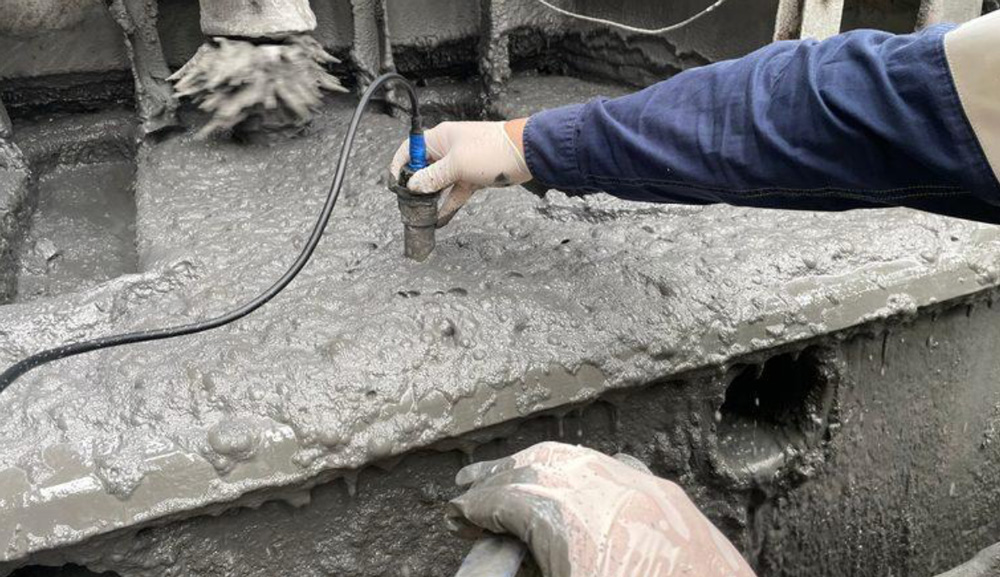
FlotSense® probes measure flotation hydrodynamics directly within the active zone of operating flotation cells. By integrating the effects of operating conditions, reagent chemistry, process variables, and mechanical performance into a single measurable parameter, the technology simplifies complex flotation systems. These insights help optimise reagent strategies and operating conditions, improving recovery, selectivity, circuit stability, and overall plant performance.
9
Sites assessed
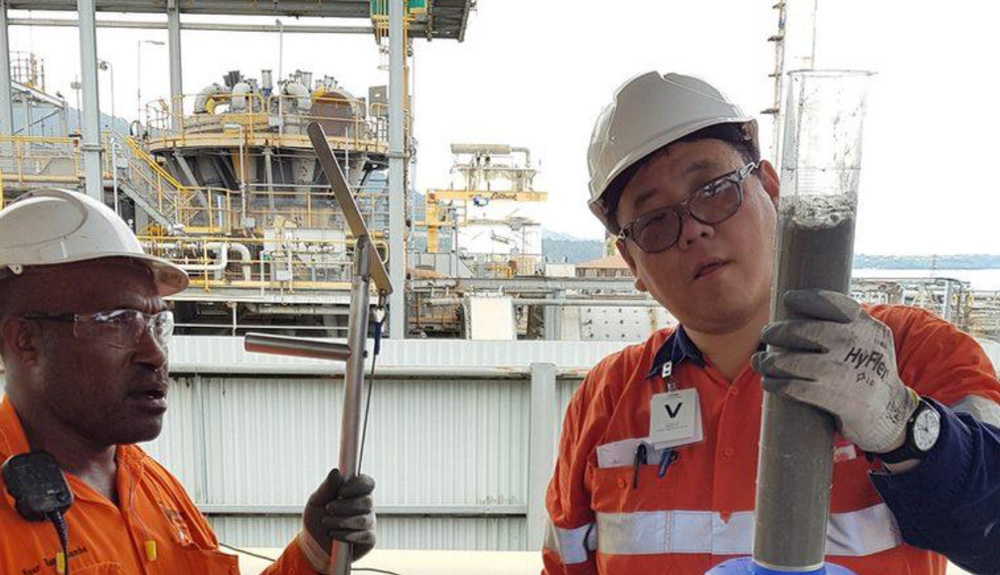
Copper, gold, lead, zinc and polymetallic operations in Australia, PNG, South East Asia and beyond.
10+
Circuits completed
Multi-site plant surveys 2024 to 2026 linking gas hold-up to cell-by-cell recovery.
How it works
01
Measure
Self-calibrating probes sit in the pulp phase of any cell in rougher, scavenger or cleaner duty. Permanently installed units continuously survey the bank.
02
Interpret
Complex bubble and pulp dynamics are converted into an operator friendly metric. Cell-by-cell profiles show where flotation activity is concentrated, where cells are recovery limited and where excess air drives entrainment rather than selective recovery.
03
Act
Data is viewed locally by operators, used by Kemtec and site metallurgists for optimisation, or integrated into plant control and advisory systems.
FlotSense® supports existing control strategies rather than replacing them.
FlotSense® in the plant
Move from reactive to proactive flotation control.
Continuous real-time visibility
Continuous monitoring of key flotation indicators, with early warning of instability before recovery is affected.
Better metallurgical control
Clear reading of reagent response, evidence-based frother and collector dosing, tighter operating windows.
Reduced variability
Stable performance across shifts, less reliance on manual inspection, consistent outcomes at higher throughput.
Commercial value
Improved recovery and grade, reduced reagent over-consumption, mechanical faults found before they cost production.
Operating ranges
Gas hold-up ranges observed in Kemtec plant surveys
Derived from site-specific surveys and developed around your mineralogy, liberation and reagent regimes.
Ɛg < 5%
5% < Ɛg < 15%
Ɛg > 15%
Ɛg < 5%
Operating below design parameters
Can lead to insufficient bubble surface area generation which leads to higher recirculating loads.
5% < Ɛg < 15%
Operating within design parameters
Flotation performance is operating in flotation cell design, leading to improved recovery and mineral selectivity.
Ɛg > 15%
Operating above design parameters
Leads to higher water recovery, gangue entrainment and reduced selectivity.
Survey findings are drawn from Kemtec plant work 2024 to 2026 and are indicative, not a performance guarantee.
Applications
Where FlotSense® adds the most value
- Pushing throughput limits without giving up recovery.
- Introducing or changing reagents, with before-and-after evidence.
- Managing variable ore feeds and blend changes.
- Optimising reagent strategies and staged frother addition.
- Recovery profiling to spread duty across a bank and improve selectivity.
- Predictive maintenance: rotor wear and instrument faults picked up early.
Plant evidence
What surveys have found
- In a Pb-Zn cleaner bank, most flotation occurred in the first cell while downstream cells contributed little. Hydrodynamic measurements enabled circuit rebalancing, improving bank utilisation and performance.
- In a Cu rougher circuit, hydrodynamics declined down the bank as frother concentration was depleted. The issue was not air limitation, and a staged frother addition strategy restored flotation performance.
- In a Pb cleaner circuit, concentrate grade decreased significantly when gas hold-up exceeded 20%. Establishing an operating window of 13 to 15% gas hold-up improved concentrate grade by approximately 5% Pb.
- Elevated gas hold-up readings identified a failed-open level control valve that would likely have gone unnoticed during routine inspections.
- Real-time hydrodynamic measurements demonstrated improved gas dispersion following rotor replacement under identical operating conditions, providing an objective tool for maintenance planning and wear component replacement before flotation performance was affected.
Next step
Request a site review or trial
FlotSense® is delivered by Kemtec alongside its reagent supply and optimisation service. This is carried out in three stages: baseline cell-by-cell measurement, correlation with grade, mass pull and recovery data, then controlled adjustment of frother, air and blend while monitoring the response.
FlotSense, KemFloat, KemFroth and KemAid are registered trademarks of Kemtec Mineral Processing Pty Ltd. Survey findings are drawn from Kemtec plant work 2024 to 2026 and are indicative, not a performance guarantee.
